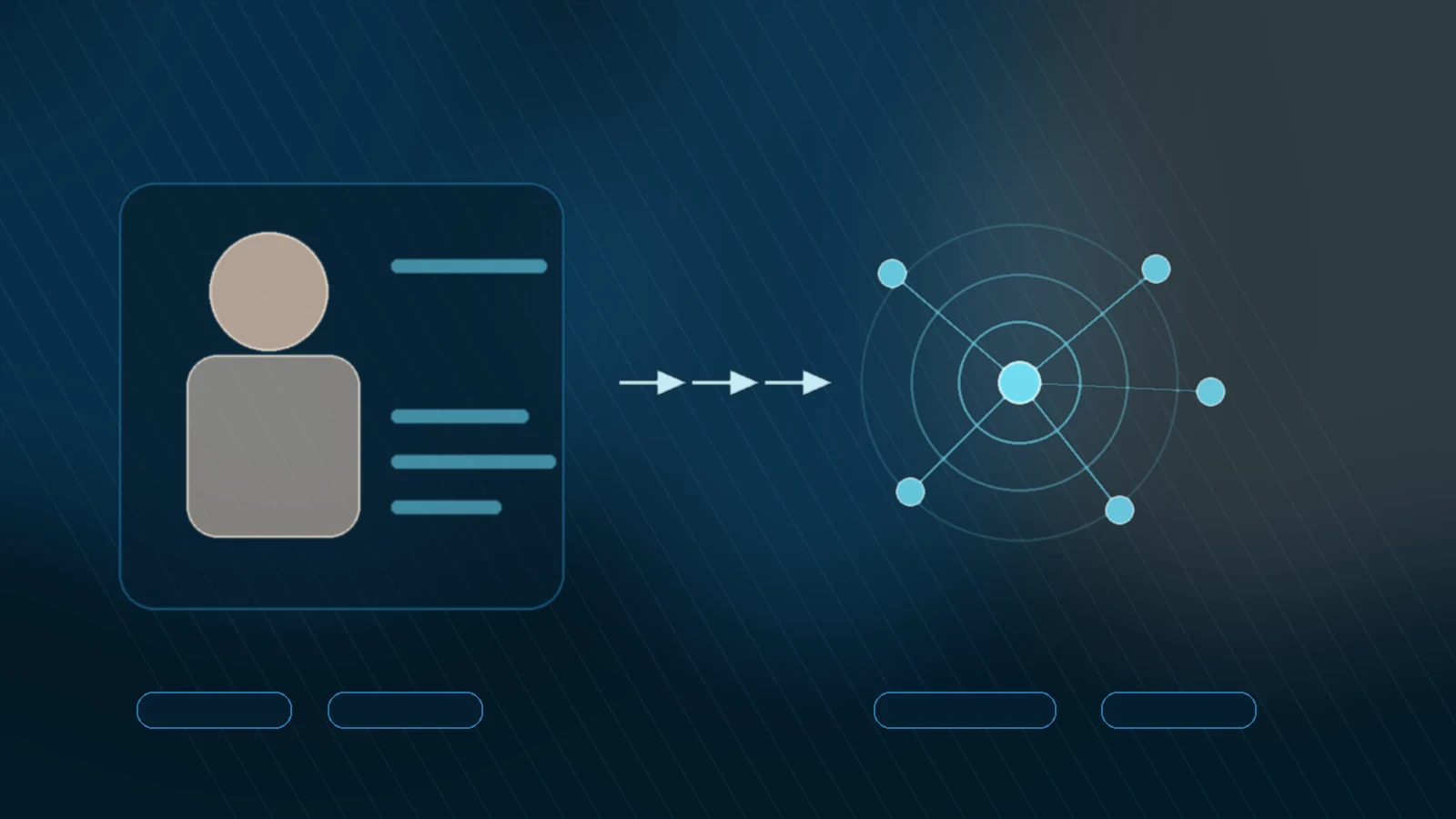
“AI will replace employees.”
That sentence spreads because it compresses a complicated shift into one dramatic claim. It is short, viral, and emotionally efficient.
It is also too blunt to be very useful.
Quick Answer: Agentic AI will not replace “employees” in one clean wave. What it is already replacing in 2026 are specific layers of repeatable work: research preparation, first-pass drafting, internal reporting, task routing, and some standard operating workflows. The biggest change is not that all humans disappear. The biggest change is that fewer people can now operate more output if the workflow is structured well.
Why This Question Keeps Getting Framed the Wrong Way
The debate usually gets reduced to two camps:
- AI will replace almost everyone
- AI is only a tool and nothing major changes
Neither frame is strong enough.
The first ignores how much work still depends on judgment, accountability, context, and relationships. The second ignores how many white-collar workflows are already being compressed.
The better question is not:
Will AI replace employees?
It is:
Which parts of an employee’s work are becoming easier to automate, and what happens to the role around those parts?
That is where the real change is happening.
What Agentic AI Actually Replaces First
Agentic AI is not mainly replacing identity-level roles first. It is replacing workflow segments.
That distinction matters.
An employee is usually not one task. A job is made of:
- repeated steps
- judgment calls
- communication
- coordination
- escalation
- interpretation
AI does not take all of those equally well.
It tends to replace or compress the parts that are:
- repeatable
- bounded
- structured
- reviewable
- tool-connected
That means the first things to move are often:
- research collection
- summary generation
- report drafting
- first-pass support responses
- content briefing
- workflow coordination
- internal routing
These are not trivial tasks. But they are the kinds of tasks where agentic systems can already create real leverage.
If you want the technical foundation for why, start with what Agentic AI actually is in 2026. The key point is that agentic systems do more than answer one prompt. They can pursue multi-step goals across tools and workflows.
What Usually Changes Before a Role Disappears
This is the part many people miss.
Most roles do not disappear overnight. Instead, the shape of the role changes first.
For example:
- a content coordinator becomes more of a workflow editor
- an analyst becomes more of a reviewer and exception handler
- a support lead spends less time on routine tickets and more time on escalation logic
- a marketing operator spends less time formatting work and more time deciding what deserves attention
That shift matters more than the headline.
In many companies, AI does not immediately eliminate the role. It changes what the human spends time on.
The Jobs Most Exposed Are Not Always the Jobs People Assume
People often assume “creative work” or “knowledge work” is too protected because it feels abstract and human-centered.
But many knowledge jobs contain large repeatable cores.
For example:
- compiling updates
- summarizing notes
- formatting outputs
- gathering competitor data
- preparing drafts
- checking the same patterns repeatedly
Those are exactly the kinds of activities agentic systems absorb well.
That is why the real risk is often not “the whole job vanishes.” The risk is that a role once justified by these tasks no longer needs the same headcount.
What Agentic AI Still Does Poorly
This is the other side of the equation.
AI still struggles where work depends heavily on:
- relationship trust
- political context
- ambiguous real-world tradeoffs
- accountability under uncertainty
- emotional judgment
- ownership when things go wrong
That includes a lot of functions such as:
- leadership
- hiring judgment
- negotiation
- account management
- partnership building
- high-stakes decision-making
AI can support all of these. But support is not the same as replacement.
This is also why a claim like “AI can run the whole company” needs careful interpretation. Our review on whether AI tools can run an entire company in 2026 explains why bounded workflow ownership is much more realistic than total autonomy.
The Real Workforce Shift: Fewer Hands, Higher Leverage
The more realistic near-term change is not mass instant replacement.
It is leverage compression.
That means:
- smaller teams doing more
- one operator handling what used to require several specialists
- fewer junior roles dedicated to repetitive execution
- more importance placed on people who can define workflows clearly
This is where the AI impact becomes economically meaningful.
A company does not need AI to replace 100% of a role for AI to change the role’s value.
It only needs AI to remove enough repeated work that the staffing math changes.
Which Roles Are Most Likely to Change First?
The roles most exposed are usually the ones with large repeatable middle layers.
Examples:
Content operations
Strongly affected because:
- brief creation
- first draft writing
- repurposing
- internal linking
- editorial QA
can all be compressed significantly.
Research and analysis support
Strongly affected because:
- gathering sources
- summarizing findings
- clustering information
- creating recurring reports
are all highly compatible with agentic workflows.
Operations and support coordination
Strongly affected because:
- routing
- status checks
- standard replies
- workflow enforcement
- anomaly surfacing
fit AI’s strengths much better than many people expected.
Junior execution-heavy roles
These are often more exposed than senior roles because the job may include a larger share of repeated, bounded tasks.
That does not mean all junior roles disappear. But it does mean the “learning by doing repetitive work” ladder may get reshaped.
What Employees Should Actually Do About It
The wrong response is panic.
The right response is to get more specific.
Ask:
- Which parts of my work are most repeatable?
- Which parts depend on judgment, trust, or escalation?
- Can I become the person who defines, reviews, and improves the workflow AI touches?
That last question is the most important.
People who stay valuable are often the ones who move from pure execution into:
- workflow design
- quality control
- system review
- exception handling
- commercial judgment
In other words, the safest ground is not “I do what AI cannot yet do” in the abstract.
The safer ground is:
I know how to make AI outputs useful inside a real business workflow.
A More Honest Answer to the Viral Claim
So will Agentic AI replace employees?
Yes, in parts. No, not in the simplistic way the viral framing suggests.
It will:
- replace some work
- compress some roles
- reduce headcount needs in certain functions
- increase leverage for smaller teams
It will not:
- eliminate all human roles equally
- remove the need for judgment
- erase the importance of trust, accountability, and business context
- turn every company into a self-running system overnight
The real story is more operational and less cinematic:
Agentic AI is changing how work is packaged, routed, and owned.
That is more important than the headline, because that is what actually changes org design.
Frequently Asked Questions
Will Agentic AI replace all white-collar jobs?
No. It will affect many white-collar workflows, especially the repeatable and structured parts, but that is not the same as replacing all white-collar roles outright.
Which employees are most affected first?
Roles with large amounts of repeatable execution work are usually affected first, especially in content operations, research support, reporting, and coordination-heavy workflows.
What does Agentic AI replace better than normal AI chat tools?
Agentic AI can handle multi-step goals across tools and workflows with more autonomy. That makes it more capable of replacing workflow segments rather than just helping with one isolated task.
Is this mainly about layoffs?
Not always. In many cases it is about leverage and role redesign first. Companies may use the same headcount differently before they remove headcount entirely.
What is the smartest response for workers?
Learn how AI fits into real workflows. People who can design, review, guide, and improve AI-supported systems will usually be more resilient than people who only repeat tasks AI now handles well.
💡 Want the next practical layer after this question?
If you want to understand how the work shift happens in practice, the best next read is the case-study piece on real Agentic AI applications in small businesses.